Table Of Content

Certain medications have side effects that can cause hair to fall out. Telogen effluvium is common, seen more frequently in women, and usually happens two to three months after a triggering event. It typically doesn't last more than six months, but if it does, it's considered chronic. Hair loss can occur if you wear pigtails, braids or cornrows, or use tight hair rollers. Lauren Sharkey is a U.K.-based journalist and author specializing in women’s issues. When she isn’t trying to discover a way to banish migraines, she can be found uncovering the answers to your lurking health questions.
Hair Shedding vs. Hair Loss
Hair transplant surgery involves moving small plugs of skin, each with a few hairs, to bald parts of your scalp. Over-the-counter (OTC) medications generally consist of topical creams, gels, solutions, or foams that you apply directly to the scalp. The most common products contain an ingredient called minoxidil.
When to see a doctor about hair loss
In addition, a healthcare provider might recommend forms of light therapy like using the HairMax Lasercomb®. Another FDA-approved laser product is the Theradome LH80 PRO® helmet and low-light laser helmets and caps. It is typical for a certain amount of hair — usually around 100 strands — to fall out every day.
You Have Another Condition
Will Using Rosemary Oil Actually Help With Hair Growth? - Refinery29
Will Using Rosemary Oil Actually Help With Hair Growth?.
Posted: Wed, 24 Jan 2024 08:00:00 GMT [source]
If you're losing hair while pregnant, ask your doctor if you might have a dietary deficiency. Both hyperthyroidism (an overactive thyroid) and hypothyroidism (an underactive thyroid) can cause hair thinning. This hair loss is typically temporary, and treating thyroid dysfunction can help regrowth. However, some thyroid medications can also cause hair loss.
If this happens to you, talk to your doctor about supplements. Many of these nongenetic causes for hair loss can be successfully treated, and the hair loss averted and even reversed. Lupus is an autoimmune disease that can cause hair loss.
Patchy hair loss (alopecia areata)
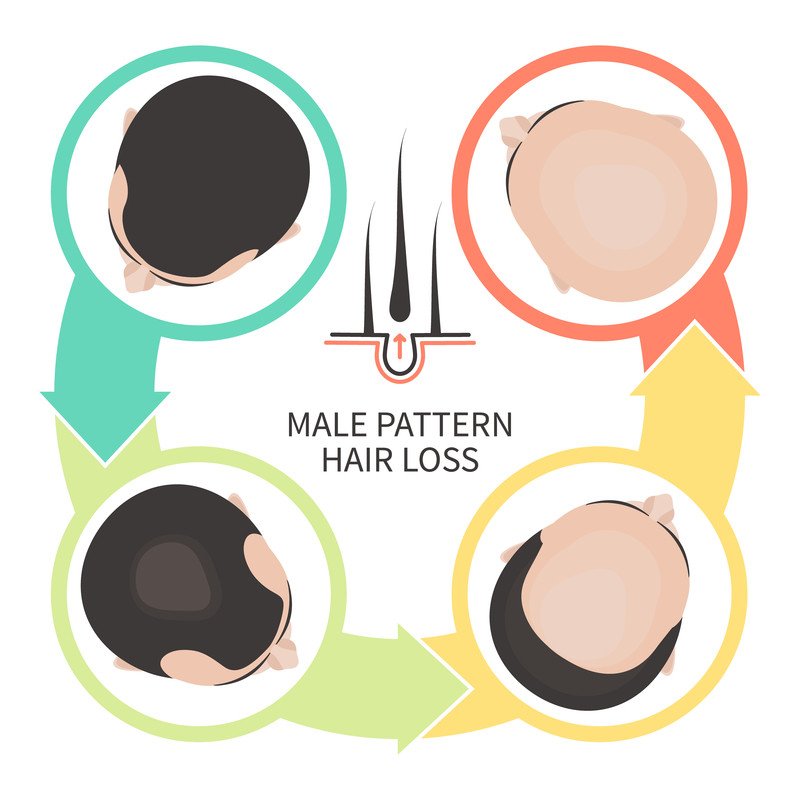
Hair loss can also occur as a medication side effect or if you have underlying health conditions, such as lupus. Finasteride inhibits 5 alpha-reductase, blocking the conversion of testosterone to dihydrotestosterone (DHT), the androgen responsible for male pattern baldness. Otherwise known as Aldactone, spironolactone works to treat hair loss by acting on hormones. Specifically, it binds to androgen receptors and decreases the body’s processing of testosterone. This article will focus primarily on hair loss in cis women. The information in this article will also apply to you if you were assigned female at birth and have never had hormone replacement therapy (HRT).
Causes and treatments for hair loss
They can then assess your hair, medical history, and any additional test to determine the source of the problem and create a treatment plan that works for you. Iron deficiency anemia causes extreme fatigue, weakness, and pale skin. You may have difficulty concentrating and also notice headaches, or cold hands and feet. Your hair may also start to thin and fall out, Dr. Goldenberg says. A doctor can perform a blood test to determine if you have iron-deficiency anemia and do a red blood cell count. If caught early enough, the hair should grow back, Dr. Rodney says.
21 Best Hair Growth Vitamins and Supplements (Reviewed for 2024) - Cosmopolitan
21 Best Hair Growth Vitamins and Supplements (Reviewed for .
Posted: Mon, 11 Mar 2024 07:00:00 GMT [source]
Change your hairstyle
Tight hairstyles like buns, braids, weaves, cornrows, and ponytails are the most common cause of traction alopecia. Taking hormones can change hair growth all over your body. Masculinizing hormone therapy (taking testosterone) may cause hair loss within a year, and the effects aren't reversible if you stop hormone treatment.
Causes of hair loss
Everything should balance out about 3 to 6 months later. This April marks Stress Awareness month in the US, a calendar moment designed to raise awareness of the pervasive and damaging nature of stress. You may also find that medications, like chemotherapy medications, retinoids, beta blockers, and antidepressants, can lead to hair loss. Around 90 percent of your hair is in the anagen stage at once, and this growth phase can last for years.
Treatment options for hair loss typically depend on the cause. They can also vary according to the pattern and location of hair loss. While most causes of hair loss are treatable, some may not be. Poisons that can cause hair loss include arsenic, thallium, mercury, and lithium. If you ingest a large amount of warfarin, which is found in rat poisons, it can also cause hair loss.
Hair usually starts to regrow within months of finishing chemotherapy or radiation treatments to the head or neck. Dermatologists can offer medication to help hair grow back more quickly. Even if your hair loss is hereditary, there are treatments that exist that can help slow or reverse hair loss. If possible, talk with your doctor to address your concerns and rule out any serious underlying medical concerns that may be causing your hair loss. This is true for damaged hair follicles from too-tight hairstyles, damaged hair follicles from chemicals applied to the hair, and damages caused by certain autoimmune diseases.

There are hundreds of thousands of hairs on your head, and every single one them is at a different stage of its two- to five-year lifespan. Hair grows and dies in phases, and nutrition, stress, hygiene, and daily styling all play a role in how much hair you lose daily. Understanding the underlying cause of your hair loss is absolutely necessary in determining the best approach to halt and reverse any further damage to your hair and scalp. Taking a hair growth vitamin or supplement—such as biotin or other forms of vitamin B—may also be helpful, says Dr. Goldenberg.
There’s a range of treatment options for hair loss, but the best option for you will depend on what’s causing your hair loss. If you have hair loss due to stress or hormone changes like pregnancy, you may not need treatment. If a person notices they are losing more hair than usual, they may have an underlying condition. It is important to consult a doctor to learn what the possible cause and best treatment may be. A 2018 review suggests that a vitamin D deficiency may link to hair loss.


No comments:
Post a Comment