Table Of Content

Ingesting large amounts of warfarin, an ingredient in rat poison, can also lead to hair loss. Taking toxic amounts of vitamin A and selenium can also lead to hair loss. Human immunodeficiency virus (HIV) can also indirectly cause hair loss. People with HIV are more at risk of iron-deficiency anemia and malnutrition, which can lead to hair loss. The FDA has approved this newer treatment to help with hair growth.
Psoriasis, dandruff, and other skin conditions of the scalp
Surgery, high fevers, and blood loss can cause enough stress to result in excessive shedding. Childbirth can result in hair loss for several months after delivery. No matter which term you use, it means that you’ve inherited genes that cause your hair follicles (what each hair grows out of) to shrink and eventually stop growing hair.
Other treatments
“Any major shock to the body can cause you to start shedding two or three months later,” Dr. Khetarpal says. But it typically takes a major stressor, like divorce or the death of a loved one (a big work deadline or a blind date probably isn’t enough to make your strands say sayonara). At any given moment, each hair on your head is at a different point of that cycle. See a dermatologist as soon as possible when you notice hair loss. The sooner you get treatment, the more effective it’ll be. A person should contact a doctor for a blood test to check whether they have a nutritional deficiency that could be causing their hair to fall out.

You’ve Gone Off Birth Control
Advancing age and a family history of the condition are two of the primary risk factors. Below, we’ll explore common causes of hair loss in women and the treatment options available. Typically, the most common types of hair loss are treated with topical or oral medications, which will likely be the first course of treatment. It’s important to keep in mind that hair growth is a complex process and multiple tests may be needed to understand what is causing your hair loss. A biopsy may also be taken if it is initially very unclear what the root causes may be. This type of hair loss typically resolves on its own once the underlying cause is addressed.
Patchy hair loss (alopecia areata)
How Fast Does Hair Grow: Here's What to Expect - Health.com
How Fast Does Hair Grow: Here's What to Expect.
Posted: Mon, 31 Jul 2023 07:00:00 GMT [source]
Looking at your scalp lets your doctor check for any infections or swelling and see where your hair’s falling out. Other ways to hit your daily protein requirement include eating beans and legumes, eggs or Greek yogurt. Dermatologist Wilma Bergfeld, MD, talks about ways to stop hair loss, what may cause it and whether it can be reversed. The American Academy of Dermatology (AAD) estimates that we shed about 50 to 100 hairs each day.
Why Your Hair Falls Out When You Wash It, According to Doctors
Expert warns that the cold weather can make your hair fall out - and gives tips to stop it happening - Daily Mail
Expert warns that the cold weather can make your hair fall out - and gives tips to stop it happening.
Posted: Fri, 10 Nov 2023 08:00:00 GMT [source]
They can help you figure out what is causing hair loss and how to help treat the root issue. The search for causes and potential treatments by people experiencing hair loss is understandable. Research has tied hair loss to lower self-esteem, body image issues, and increased anxiety. The Journal of the American Academy of Dermatology recommends assessing for anxiety and stress when diagnosing hair loss. Speak with a doctor about any troubling hair loss, shedding, or thinning you may be experiencing. Your doctor can help determine the cause of your symptoms and put together a treatment plan.

Symptoms Of Hair Loss In Women
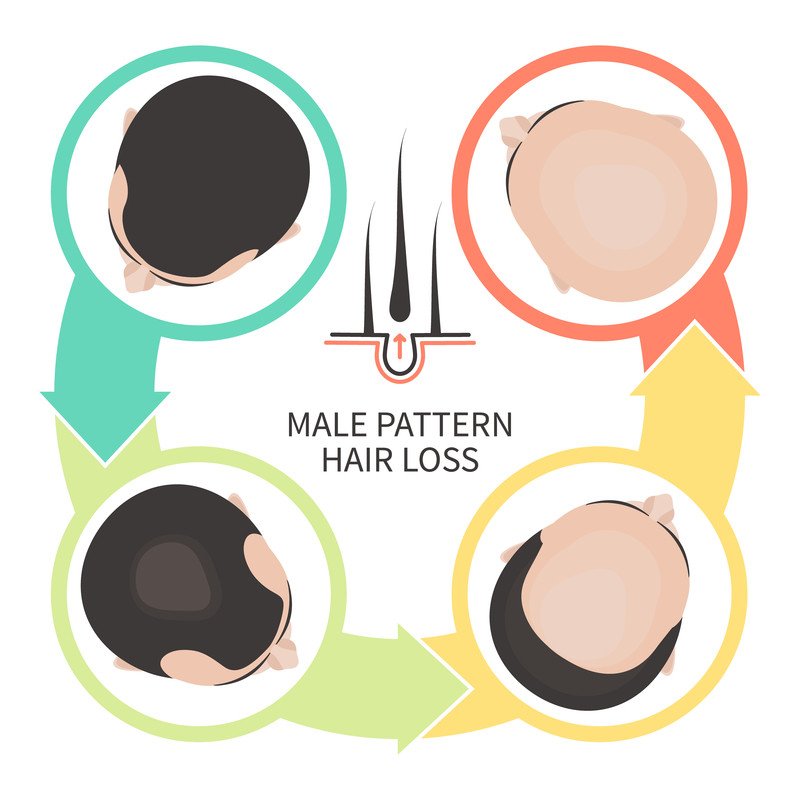
Typically hair loss starts a few weeks after treatment. Hair usually begins to grow back a few months after treatment. Aside from genetic male pattern baldness, men can lose hair as their hormonal composition changes with age. Hair loss is caused by your follicles’ response to the hormone dihydrotestosterone (DHT).
Although it’s more common in men, hair loss regularly affects women and people of other genders. You may experience any one of several types of hair loss, such as hair thinning, a widening part, or patchy hair loss. If the stress stops, your body will readjust and the excessive shedding will stop. When the shedding stops, most people see their hair regain its normal fullness within 6 to 9 months.
Hair Loss in Women: When Should You Worry?
Moisturizing creams or ointments may be used to help with dryness or itchiness. Your healthcare provider may recommend medicated ointments, such as corticosteroid lotions, for conditions such as seborrheic dermatitis. Infections like scalp ringworm and scabies should be treated by a medical professional who can prescribe topical and/or oral medications. Comorbidity (co-occurrence of another conditon) can also be a factor. For example, people who have androgenetic alopecia often also have seborrheic dermatitis.
Treating the thyroid disorder can often reverse the hair loss. Women may lose hair following childbirth or while in menopause. Women who have hormonal imbalances can have hair loss.
Tinea capitis mostly affects children between the ages of 3 and 14, but it can affect any age group. Hair growth naturally slows with age, so you may notice thinning. If you think you have age-related hair loss, talk to your doctor about treatment early on.